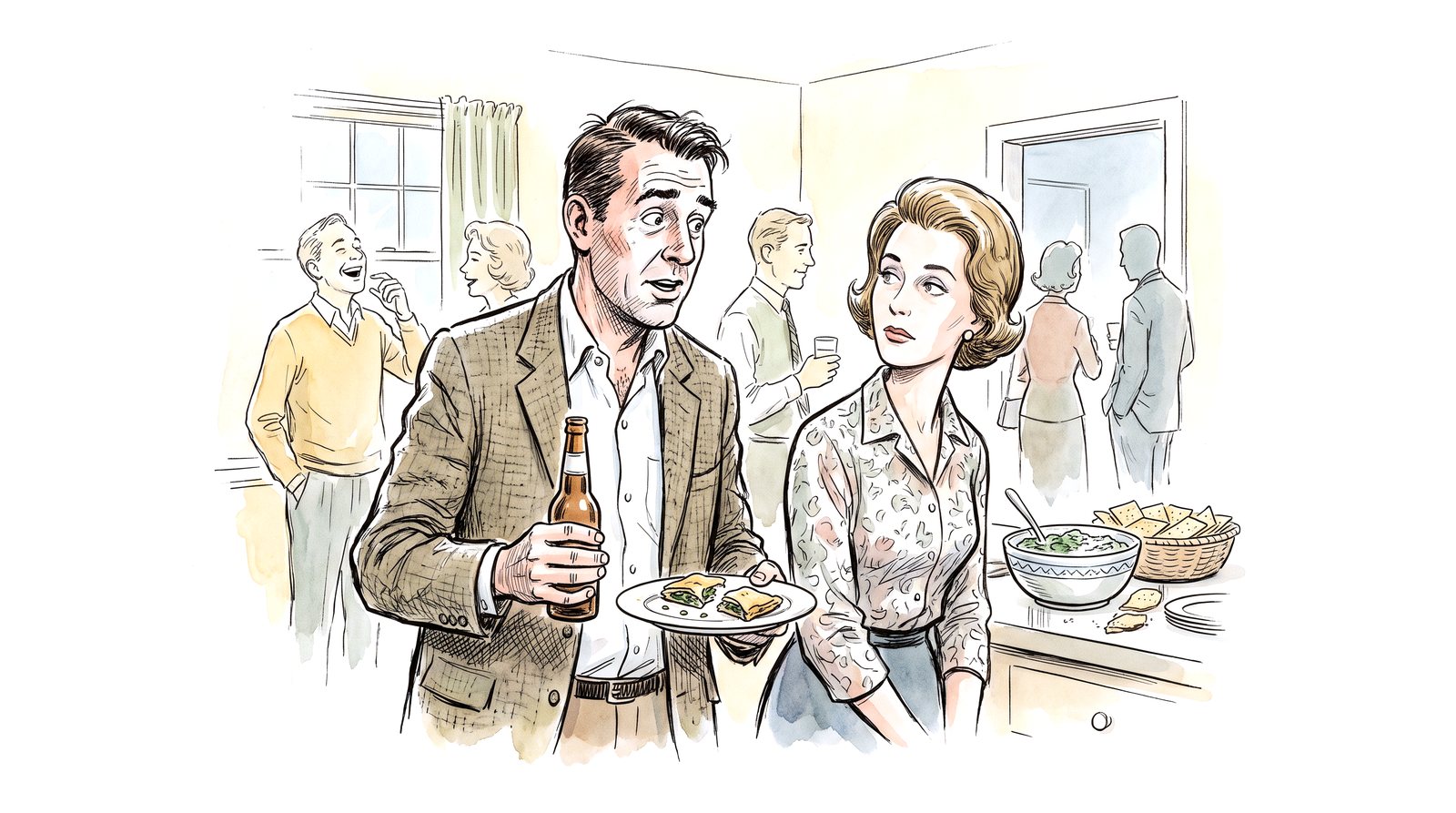
Someone at a party asks what you do for fun. You could say you play golf, or run, or have gotten really into woodworking lately. Any of these answers will do. The conversation will move along pleasantly enough. But suppose you tell them you’re writing a novel.
“Oh, really? What’s it about?”
Shit.
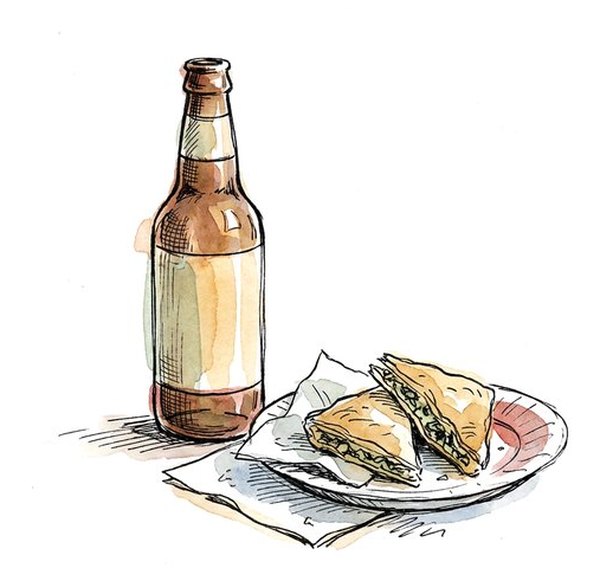
It’s a perfectly reasonable question, one you would probably ask yourself. But now you’re standing in someone’s kitchen, holding a beer and eating spanakopita, trying to explain a story you’ve spent three years writing to a person who was only being polite.
You could give them the genre. It’s a mystery, a romance, a fantasy novel. Except now you’ve invited whatever assumptions they have about that genre into the conversation. Maybe they love mysteries. Maybe they think romance novels are trash. Maybe they hear fantasy and immediately picture a wizard with a ridiculous name.
You could explain the plot instead, but that’s worse. You’ve spent hundreds of pages developing these characters, and now you’ve got about thirty seconds to make them sound interesting. You begin describing the premise, realize you’ve left out something important, backtrack, and watch your listener’s expression for signs of life. Just as you’re beginning to regret the entire conversation, they ask whether you’ve published anything.
Not yet, you tell them.
“Oh.”
There it is. The little silence in which you suddenly feel obliged to defend the last several years of your life. The person asking probably doesn’t mean anything by it. They might be genuinely interested, even impressed. But you’ve already started explaining that you’re still working on it, that writing a novel takes a long time, that you’ve had a lot going on lately. A moment ago, you were a person enjoying a party. Now you’re giving a progress report on a project nobody assigned you.
Imagine the same conversation with someone who plays tennis. They tell you they’re really into it, and you ask where they play. You don’t ask for their ranking or their win-loss record. You certainly don’t expect them to have played at Wimbledon before you’re willing to believe they enjoy the sport.
Even music gives people a little more room to maneuver. Someone says they play guitar, and you ask what kind of music. Folk, maybe. Country. Classic rock. You can picture what they mean without expecting them to produce a demo or perform a song while you’re both standing over the spinach dip.
Part of the problem is the word writer itself. It sounds like an occupation. If someone says they’re a surgeon, it’s reasonable to assume they’ve performed surgery. If someone says they’re a writer, people may assume they’re on the shelves of a bookstore. But writing is also something you do, often for years without making a dime. You can be serious about it without having anything published, though it’s difficult to explain that distinction without sounding as though you’re making excuses.
There’s also the fact that everybody thinks they can write. They did it in high school. Some even got an A on their essay about The Great Gatsby. Most people wouldn’t look at a block of marble and assume they could sculpt a human face, but everybody’s sat in front of a keyboard. How hard could a novel be?
It’s easy to imagine that these people think writing a novel is just a longer version of something they already know how to do. Maybe some of them do. But the person at the party might also think it sounds impossibly difficult. They might be impressed that you’ve managed to write anything at all. You have no idea, really. You’ve simply decided they’re wondering why yours is taking so long, and now you’re explaining why you haven’t finished a book they never asked you to finish.
Writers have become quite good at this sort of thing. We say we’re trying to write a novel, or working on something, or that we hope to finish it someday. Ask how it’s going and you’ll probably hear that it’s coming along, whatever the hell that means. We have ways of making our ambitions sound smaller, as though admitting how much we care would be an invitation for someone to laugh at us.
Which is particularly strange because you might actually think your novel is good. Not every page, obviously. There’s probably a chapter you know needs work and a character whose entire existence has become a problem. You may have written a scene so terrible that you closed the document and went outside.
But there are other parts you’re proud of. Maybe you’ve written a sentence that’s genuinely excellent. The best thing you’ve ever written, even. You know it, too. But admitting that out loud feels like standing in front of your high school homeroom and telling everyone your hopes and dreams. So you keep it to yourself, rereading it occasionally and hoping it’s still as good as you remember.
Try telling someone at a party that you think you’ve written some really good stuff. Good luck. It’s one thing for a published novelist to speak confidently about a book and another for someone with an unfinished manuscript to admit they believe in their own work. Without the external validation of publication, confidence can sound suspiciously like delusion, at least to the person expressing it.
So we get ahead of the criticism. It’s nothing special. I’m just messing around with it. Who knows if it’ll ever be any good? These are wonderfully effective ways of making sure nobody thinks too highly of us. They’re also often lies. You wouldn’t have spent three years writing the damn thing if you didn’t believe there was something worthwhile in it.
Of course, believing your work is good doesn’t mean you’re right. Every writer needs criticism. Some manuscripts are terrible. Some contain beautiful writing in service of stories that don’t work, and plenty of writers have mistaken their own enthusiasm for evidence of genius. That’s why you revise and find people willing to tell you when something isn’t working. But there’s no reason you can’t recognize the weaknesses in your novel and still believe you’ve written something good. You might even say so occasionally without becoming an asshole.
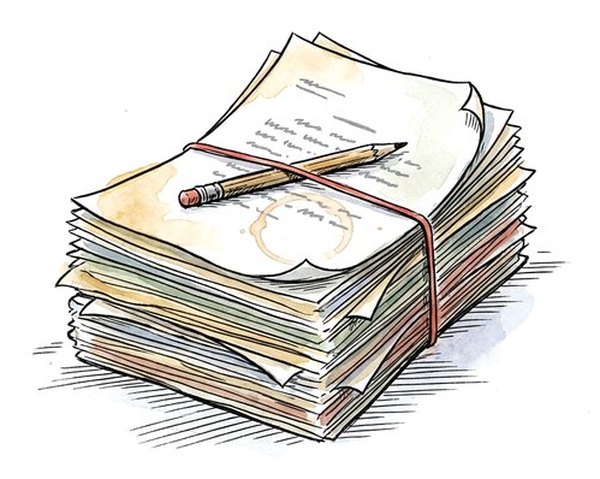
Much of what makes writing difficult is invisible anyway. Someone looking at your manuscript sees a document, maybe forty pages or maybe four hundred. They don’t see the discarded chapters, the research, the notes, the characters who disappeared between drafts, or the hours spent trying to figure out why a scene isn’t working. They certainly don’t see the sentences you wrote and deleted before breakfast.
And why would they? Nobody owes your unfinished novel their attention, and the fact that you’ve worked hard on something doesn’t automatically make it interesting to another person.
Another writer, though, might understand why you spent an entire Saturday rewriting a chapter. They might ask what was wrong with it, or tell you the chapter probably doesn’t belong in the book at all. They might spend the next hour arguing with you about what page a character’s confession should really happen on. You can have a serious conversation about a book that doesn’t yet exist in the world, and there’s something wonderful about being able to skip the part where you explain why you care.
The person at the party isn’t necessarily another writer. They may not even be much of a reader. They’re asking a perfectly innocent question, and you’re hearing an accusation. Maybe that’s the strangest part of the whole business. You’ve spent years learning how to imagine what other people are thinking, and now you’re using that skill to convince yourself someone thinks you’re an idiot.
The next time someone asks what your novel is about, you can tell them. Give them the short version and leave out the subplot involving the brother-in-law. Nobody needs that over cocktails. If they ask whether you’ve published anything, you can say no. Maybe they’ll ask another question, tell you they’ve always wanted to write a book, or wander off to refill their drink. None of those things tells you very much about your novel. And that’s okay, too.